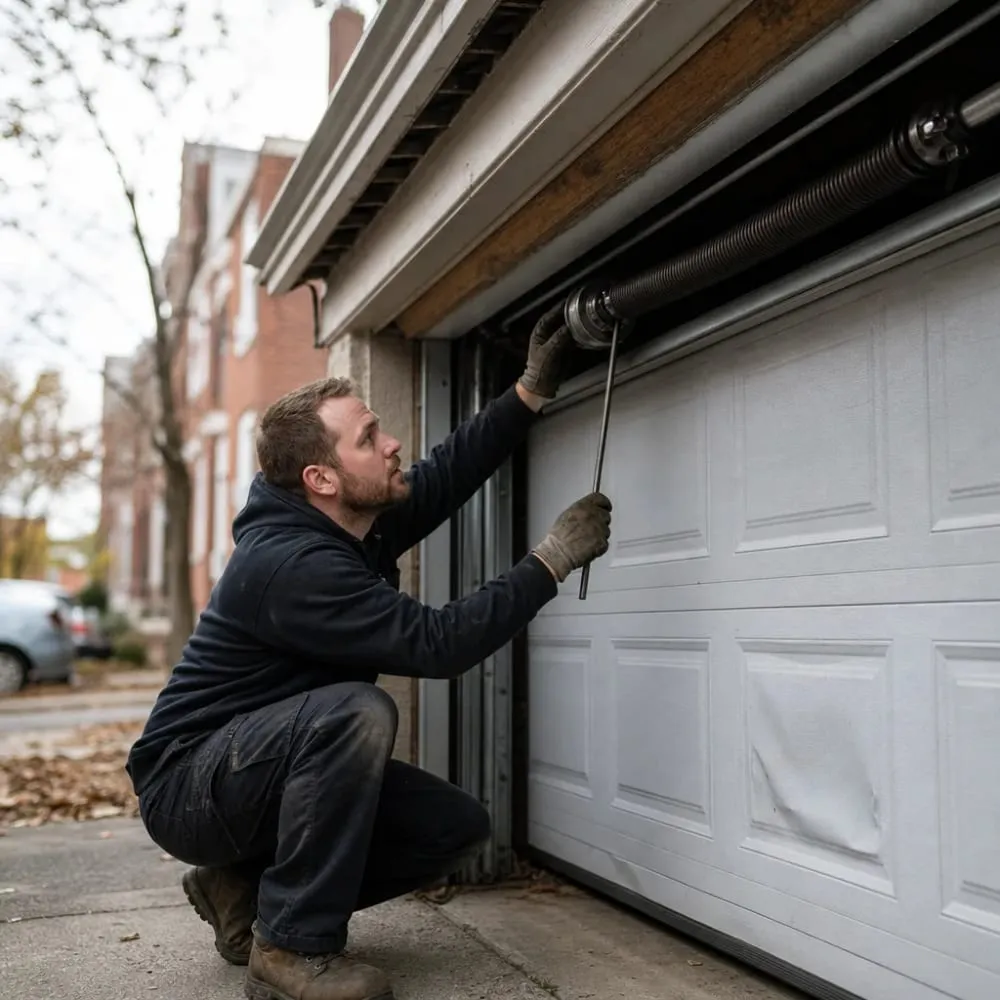
What a Garage Door Consultation Covers
A good garage door consultation checks the whole system: springs, cables, tracks, rollers, panels, opener, sensors, and seals. You should come away knowing what's wrong, whether repair or replacement makes more sense, and what it will cost in writing before any work starts.
When your door is slow, loud, crooked, or just won't close, it's easy to blame the part you can see. The real cause might be somewhere else. A worn spring can make a healthy opener strain. A bent track can wear out rollers. That's why we look at the full system, not just the symptom you called about.
Here's what a complete consultation should look at:
- Springs: whether the door is balanced, and whether the springs show wear, gaps, or rust.
- Cables and drums: fraying, slack, or a cable riding off the drum on one side.
- Tracks and rollers: bends, loose mounts, and rollers that grind, wobble, or bind.
- Hinges and brackets: cracked or loose hardware that holds the panels together.
- Panels: dents, cracks, rot, or sections that sag when the door moves.
- Opener: how it starts, stops, and reverses, plus the remote and keypad.
- Safety sensors: whether the eyes line up and the door reverses when something's in the way.
- Weather seals and bottom seal: gaps that let in drafts, water, leaves, or pests.
If you're thinking about a new door instead of a fix, the conversation changes. You'll talk about size, style, insulation, and whether your current opener still fits the new door. The opening itself matters too. If the frame around the door is soft, out of square, or damaged, that needs attention before a new door goes in. We handle garage door design and garage door framing, so those questions can be part of the same visit instead of a second call.
The most useful thing you get from a consultation is a straight answer. Is this a one-part repair, or is the door near the end of its life? Will fixing the spring today just push the next problem a few months down the road? Those answers depend on everything above, which is why a quick look at one part isn't enough.
You should also get the price in writing before anything is done. We give written pricing before work begins, so you can compare a repair against a replacement on paper, take a day to think, or say yes on the spot. No guessing, and no surprise numbers after the fact.
To get the most out of the visit, have a few things ready. Note when the problem started, what sounds you hear, and whether it's worse in cold or wet weather. Write down how old the door and opener are if you know. And if you've been eyeing a different look, a photo or two of doors you like makes the design talk much faster.
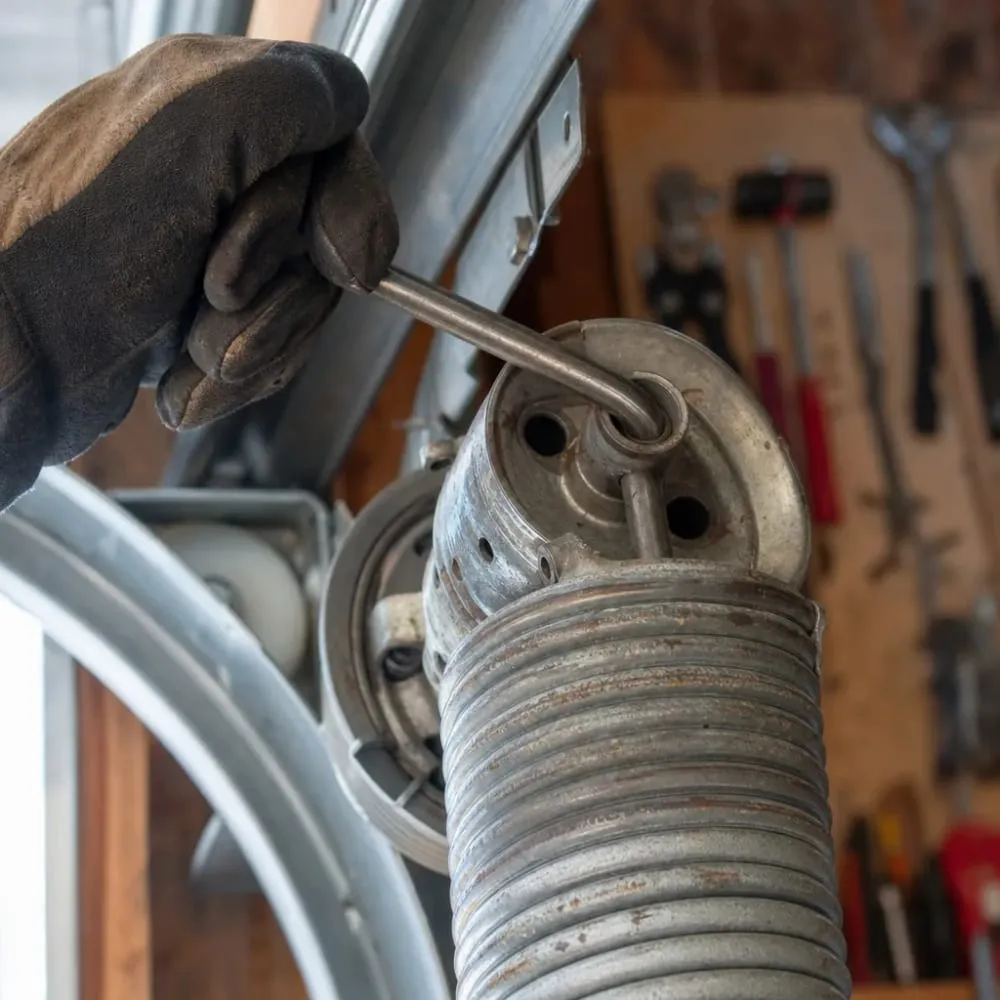
Repair Versus Replace: How the Decision Gets Made
Most of the time, the answer is a repair. A door that's solid, square, and only a few years old doesn't need replacing because one part gave out. The decision changes when problems start stacking up, or when fixing one part exposes the next weak spot.
Here's how we sort it out once we've looked at the whole system.
Repair usually makes sense when:
- One part failed and the rest is in good shape. A broken spring, a frayed cable, or a sensor knocked out of line on an otherwise healthy door is a fix, not a reason to start over.
- The panels are straight and sound. Small dents don't affect how the door runs.
- The door is balanced once the spring issue is handled, and the tracks and rollers move smoothly.
- The opener works and reverses the way it should when something's in the way.
Replacement starts to make sense when:
- Several parts are worn at the same time. Tired springs, stretched cables, and grinding rollers on the same door usually mean the whole system has aged together.
- Panels are cracked, rotted, or sagging, and a matching replacement panel can't be found for an older door.
- You've paid for repair after repair, and each visit fixes one thing while the next one starts to fail.
- The door no longer suits how you use the garage. Maybe you've turned it into a workshop and want insulation, or the door lets in drafts and water no seal can stop.
There's a middle ground too. Sometimes the door is fine but the opener is worn out, or the opener is fine but the door is heavy and out of balance. In those cases you might replace one and keep the other. We'll tell you whether your current opener can handle a new door before you commit to anything.
Cost matters, but it isn't only about today's bill. A cheap repair on a door near the end of its life can cost more over the next year or two than a replacement would. A replacement pitched on a door that only needs a spring is money you didn't have to spend. That's why the written pricing you get should show both options side by side whenever both are real choices.
Picture two neighbors with the same symptom. Both doors stopped halfway and slammed down. On the first one, a single spring snapped and everything else is solid. That's a repair. On the second, the spring broke, the bottom panel is soft with rot, one cable is fraying, and the rollers are chewed up. Fixing only the spring there buys a few weeks, not a few years.
If you're leaning one way already, say so. If you've wanted a new look for years, a failing door might be the push you needed. If your budget is tight right now, we'll tell you what has to be fixed today for the door to run safely and what can wait. Either way, the choice stays yours.
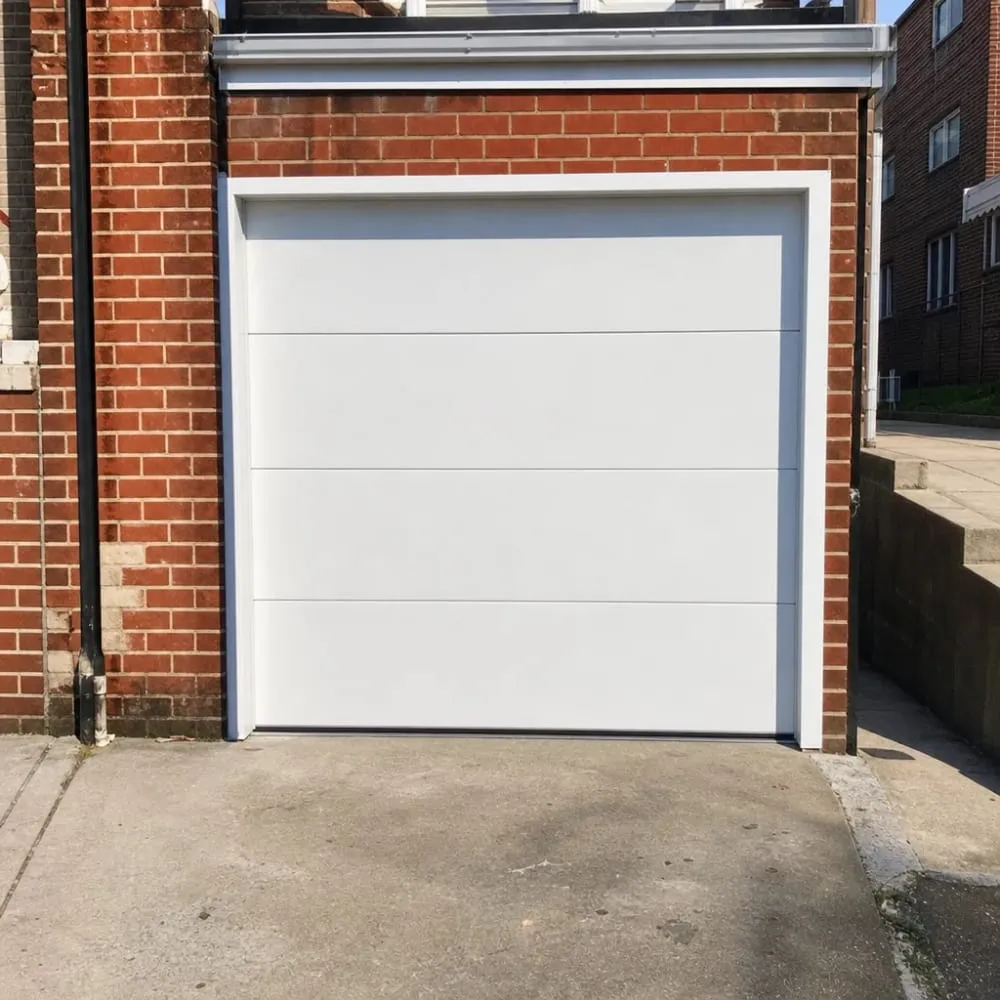
Consultations for New Construction and Commercial Roll-Up Projects
Not every consultation starts with a broken door. Sometimes there's no door yet. You might be planning a detached garage behind your house, or you might run a shop or warehouse that needs a roll-up door. In both cases, the full-system thinking still applies. The door, the opening it sits in, and the opener that runs it all have to work together. It's much cheaper to plan that on paper than to fix it after the framing is up.
For a new or detached garage, the questions come before the door is picked. These are the ones that matter most:
- Rough opening size: the width and height the framing has to leave for the door you want.
- Headroom: the space above the opening for the tracks, springs, and opener. A low ceiling can rule out some setups.
- Backroom and side room: how far the tracks run into the garage, and how much wall space you need beside the opening for the hardware.
- Power: where the outlet for the opener goes, so you're not running an extension cord across the ceiling later.
- Insulation: whether you'll heat the space, use it as a workshop, or just park in it. Cold Philadelphia winters make this worth deciding up front.
We handle detached garage construction and garage door framing, plus sectional garage door installation. That means the person sizing the opening is thinking about the door that will hang in it. If you're working with your own builder, it still helps to get the door specs settled before they frame. Also ask about permits early. It's the first thing to sort out on a new structure, not the last.
Commercial roll-up doors raise different questions. A roll-up door coils into a drum above the opening instead of sliding back on tracks along the ceiling. So the big concerns are the space above the opening and what the door mounts to. Here's what shapes the choice:
- How often the door runs. A loading door that opens dozens of times a day needs sturdier parts than a storage door that opens once a week.
- Manual or motor. A chain or crank works for light use. A busy opening usually calls for an operator.
- Mounting surface. Brick, block, steel, and wood jambs each need a different way to attach the guides and brackets.
- Security and weather. After-hours security, drafts, and rain blowing under the door all affect which door and bottom seal make sense.
Picture a small business owner with a worn roll-up door that sticks halfway every morning. The question isn't only how to make it roll again. It's whether that door still fits how the space is used today. A consultation answers both, so you're not paying to fix a door you'll outgrow in a year.
We're an authorized dealer and installer for Clopay, Amarr, General Doors Corporation, and LiftMaster Professional. That gives you real options to pick from once the opening is sized. As with any job, you'll get written pricing before work begins, so you can plan the budget for a new garage or a commercial opening without guessing.
Planning a new garage, replacing a commercial roll-up door, or trying to decide between repair and replacement? Call us at (484) 995-2611 to set up a garage door consultation in Philadelphia.
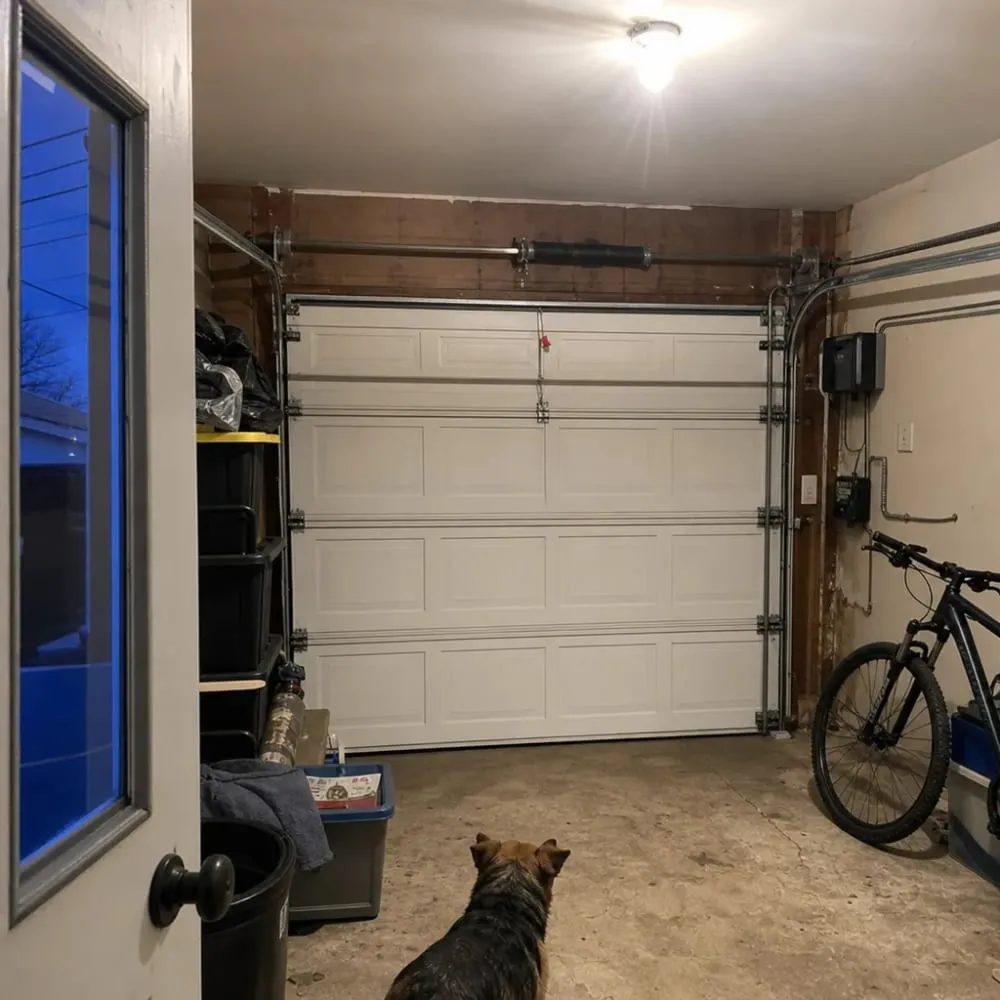
Signs the Problem Cannot Wait for a Scheduled Visit
A consultation is the right call when you have time to think. Maybe you're weighing a new door, planning a garage, or living with a door that's noisy but still works. Some problems don't give you that time. If your door is unsafe, stuck open, or can't be trusted to stay where it is, you don't need a planning visit. You need a repair.
These are the signs that put a problem in that second group:
- A loud bang from the garage, and now the door won't lift or feels much heavier than it did. That's often a broken spring. The springs carry most of the door's weight, so when one goes, the door is far heavier than it looks.
- A cable hanging loose, snapped, or wrapped wrong on the drum. A door held up by one side can tilt, jam, or drop.
- The door is crooked in the opening, or a roller has popped out of the track. Forcing a door in that state can bend the track and damage the panels.
- The door won't reverse when something is in its path, or it closes hard and fast instead of easing down. That's a safety problem, especially around kids, pets, and cars.
- The door is stuck open and won't close. Your garage and anything inside it are exposed until it's fixed, and for a business that can mean an open loading area overnight.
- The door is stuck closed and your car is inside. If you need that car for work or a medical trip, waiting isn't really an option.
- Visible damage after a car, truck, or storm hit the door. Bent panels and twisted tracks can put stress on the springs and hardware even if the door still moves.
What these have in common is risk. A door that weighs a few hundred pounds and is no longer balanced or guided correctly can fall, slam, or come off its tracks. The longer it runs that way, the more parts it takes down with it. One broken spring is a repair. A broken spring plus a bent track and a burned-out opener motor is a bigger bill. Source
Some problems feel urgent but usually aren't. A remote that stopped working, a keypad with a dead battery, a little extra noise, or a worn bottom seal letting in a draft are worth fixing soon. They're good things to bring up during a scheduled visit, and they won't put anyone in danger while you wait a few days.
If you're not sure which group your door falls into, describe what you see and hear when you call. A door that's stuck, crooked, unbalanced, or not reversing should be looked at right away. Once it's safe and working again, you can still set up a full consultation later to talk about the bigger picture.
We offer 24/7 emergency service for doors that can't wait. Call us at (484) 995-2611 if your door is stuck, off track, or has a broken spring or cable.
When a Consultation Is Not Needed
A consultation is for choices. Repair or replace, which door, which opener, how to size a new opening. If there's no real choice to make, you don't need one. Booking a planning visit for a problem with one clear answer just slows things down. Here are the cases where we'd tell you to skip it.
You already know what's wrong, and it's one small part. Say your door runs fine but the bottom seal is torn and leaves blow in under it. Or the weather stripping along the sides has cracked and you can feel the draft. That's a seal job, not a planning talk. The same goes for a new remote that needs to be set up, or a keypad you want added. Ask for that specific service, like remote opener programming, bottom seal replacement, or keyless entry installation, and keep it simple.
The fix might be something you can do yourself. A remote that quit all at once often just has a dead battery. Many opener manuals walk you through swapping it or pairing a new remote. If you still have the manual, or can find it for your opener model, try that before you call anyone. If it still won't work after that, then it's worth a call.
The door is unsafe right now. A snapped spring, a loose cable, or a door hanging crooked needs a repair today, not a sit-down. We covered those signs above. Get the door safe first. You can always talk about the bigger picture later.
Everything works and you have no plans to change it. If your door opens smoothly, closes quietly, reverses when it should, and you're not thinking about a new look, there's nothing to decide. What you might want instead is routine garage door maintenance. That's a checkup and tune-up, not a planning visit.
You rent the property. In most leases, the door belongs to the owner, and so does the decision to fix or replace it. Tell your landlord or property manager what's going on first. They may already have someone they use, or they may need to approve any work before it starts.
Your plans aren't real yet. If you're thinking about a detached garage someday but haven't settled on the size, the spot, or the budget, a consultation can wait. The best time to talk door specs is once you know roughly what you're building and before anyone frames it. Talk too early, and you'll likely have the same conversation twice.
- One known small part, like a seal, remote, or keypad: book that service directly.
- A dead remote battery: check the opener manual and try it yourself first.
- A door that's unsafe or stuck: book a repair, not a consultation.
- A door that works fine with no changes planned: book maintenance, or nothing at all.
- A rental: talk to your landlord before anything else.
- A garage project that's still just an idea: wait until the basics are set.
If none of these fit, and you've got a door that's aging, acting up in more than one way, or about to be replaced, that's when a full consultation earns its time.
Garage door consultation questions
- What drives the price of a new garage door up or down?
- Size, material, and insulation are the biggest factors in what you'll pay for a new door. A wider or taller opening costs more to fill than a standard single door. Insulated doors cost more upfront but hold heat better, which matters in a Philadelphia winter. Custom panel styles, windows, and heavier-duty tracks or openers also add to the price. That's why we give written pricing before any work starts, so you can see exactly what you're paying for and why.
- Does it matter which brand of garage door I choose?
- The brand matters less than getting a door that fits your opening and how you use the space. We're an authorized dealer for Clopay, Amarr, General Doors Corporation, and LiftMaster Professional, so you have real options once your opening is sized. The right choice depends on your budget, whether you want insulation, and the look you're going for, not just which name is on the door.
- How do I know if my opener will still work with a new garage door?
- A consultation is the best way to find out, since opener compatibility depends on the door's weight and size. Heavier insulated doors or larger openings sometimes need a stronger opener than what's already installed. We'll check your current opener against the new door before you commit, so you're not stuck buying a second system later if the first one can't handle it.