Deciding Between Repair and Full Replacement
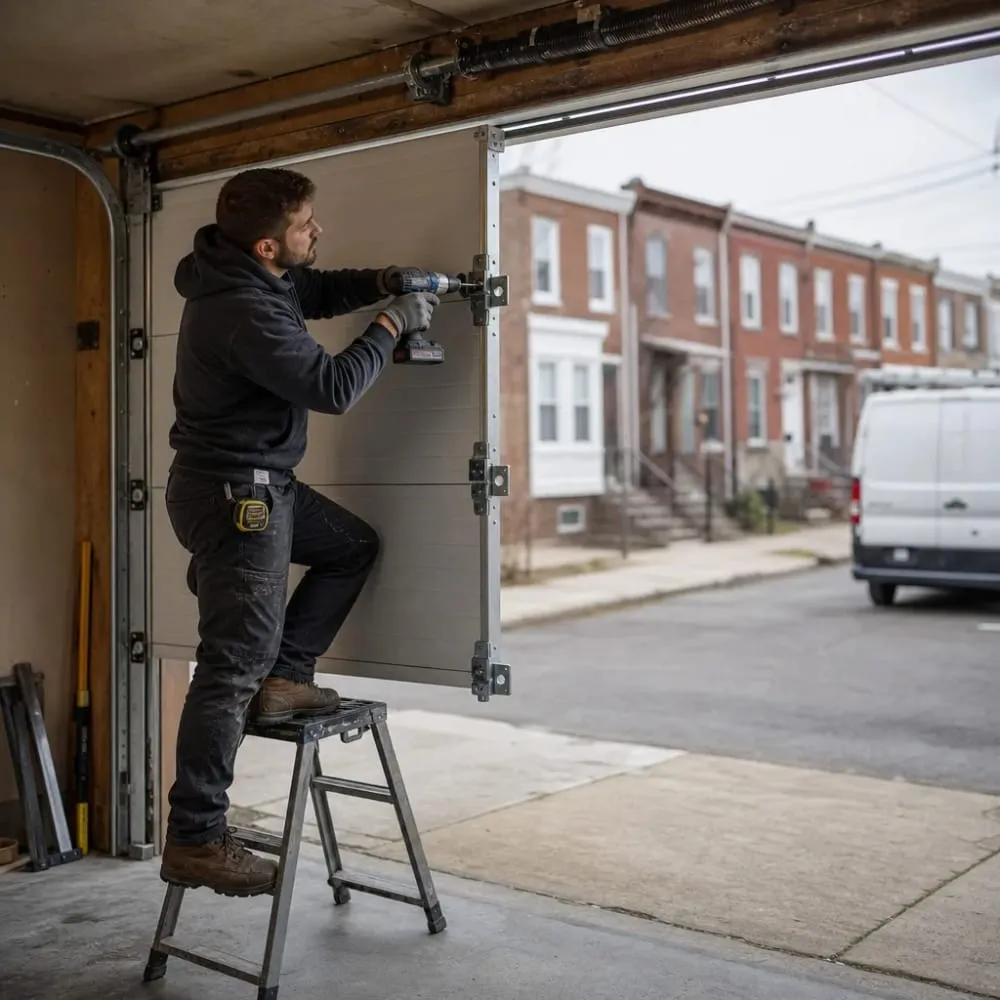
Most single-part failures, like a snapped spring, a frayed cable, or a sensor out of line, are repairs and don't call for a new garage door install. Replacement makes sense when the door itself is failing, with several damaged sections, rust or rot that goes through the panels, or a door that can't be balanced anymore. We look at the whole system first so you can compare both options in writing.
A broken garage door doesn't always mean you need a new one. Most of the time, one part has failed and the rest of the door is fine. The real question is whether the problem lives in a part or in the door itself.
You probably just need a repair if the trouble is one of these:
- A torsion spring snapped. You'll often hear a loud bang, and the door suddenly feels too heavy to lift.
- A cable is frayed, loose, or has come off its drum, so the door hangs crooked.
- The door jumped off its track, or rollers are scraping and binding.
- The safety sensors are out of line, so the door reverses or won't close.
- One panel is dented and the rest of the door is solid.
- The bottom seal is torn and lets in water, leaves, or drafts.
- The opener hums or clicks but the door won't move.
Each of these is a normal fix. Spring replacement, cable adjustment, track alignment, and sensor alignment all keep a good door running. A single bad section can often be swapped through panel replacement. Opener trouble is its own job, and a worn-out opener doesn't mean the door has to go.
Replacement starts to make sense when the door itself is the problem:
- Several sections are cracked, bent, or split, not just one.
- Rust has eaten through the steel, often along the bottom where water and road salt sit.
- A wood door has rot that's gone soft or is pulling away at the joints.
- Your panel style isn't made anymore, so a damaged section can't be matched.
- The door sags or won't stay balanced, even with new springs and good tracks.
- You keep paying for one repair after another on the same tired door.
- You want something the old door can't give you, like better insulation, a quieter ride, or a new look for the front of the house.
Cost works the same way. A repair is priced on the part and the labor to put it in. A new door is priced on its size, material, insulation, style, and windows, plus removing the old door and fitting the new tracks, springs, and hardware. That's why it's worth getting both numbers before you decide. If a repair keeps a sound door working, that's usually the smarter spend. If the repair cost is creeping toward the price of a new door and the panels are already failing, you're paying to put off the inevitable.
Here's how we handle that choice. We look at the door sections, springs, cables, rollers, tracks, opener, seals, and safety sensors, not just the part you called about. Then you get written pricing before any work begins. If a repair will do the job, we'll tell you. If the door is past saving, we'll show you why, so you can see it for yourself and make the call.
Why Older Garages Need Accurate Measurement First
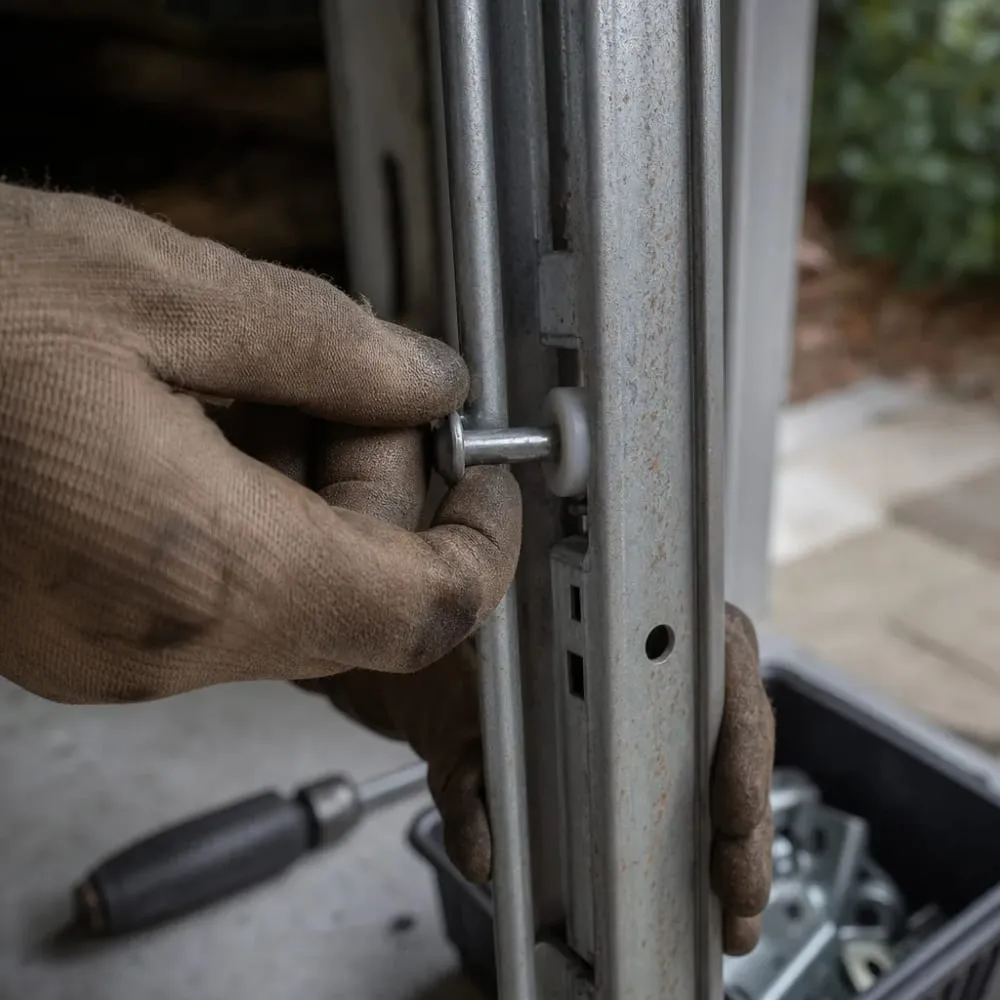
A new garage door is only as good as its fit. A door ordered from a guess can leave gaps under the seal, rub the frame, or leave no room for the tracks. Older garages have the most trouble here. Their openings often aren't standard sizes, and time has moved things that once lined up.
Before anyone can give you a real price on a new door for your Philadelphia garage, these are the numbers and conditions that matter:
- Opening width and height. This sets the door size. An older opening might be a few inches off a stock size, which can mean a custom door or a framing change.
- Headroom. This is the space between the top of the opening and the ceiling. The springs, the curve of the track, and the opener all need room up there. A low ceiling or a beam in the way can call for a low-headroom track setup.
- Sideroom. This is the wall space on each side of the opening. The vertical tracks and brackets mount there, so a tight wall changes what hardware will fit.
- Backroom. This is the depth from the opening toward the back of the garage. The door slides back along the horizontal tracks, and the opener needs its own length on top of that.
- Floor level. If the slab has settled or slopes, a door that sits flat on one side can leave a gap on the other. That gap lets in water, leaves, and cold air.
- Jambs and header. The wood around the opening has to be solid and straight. Rotted or warped framing can't hold new track brackets tightly.
Each of these can change the door you should buy, the hardware it needs, and the price. That's why a quote from a phone call or a size you read off the old door can be wrong. The old door may have been trimmed, shimmed, or forced to fit an opening that was never square.
Here's a common example. You notice daylight under one corner of your old door, and the weather seal is crushed flat on the other side. That isn't always a seal problem. It can mean the floor has dropped on one side. A new door hung level will show the same gap unless the slope is measured and planned for, with the right bottom seal or an adjustment to the opening.
Framing is the other big one. Soft or split jambs won't hold lag screws, and a sagging header can pinch the top section. If the wood around the opening needs work, it's best to know before the door is ordered, not halfway through the install. Garage door framing is its own job, and it's simple to plan when it's caught early.
This is part of why we look at the opening and the space around it, not just the door. When the opening, headroom, sideroom, depth, floor, and framing are all accounted for, the written pricing you get before work begins reflects the door that will fit. That's what keeps the new door running smooth, sealing tight, and balanced on its springs for years.
What the Installation Day Involves
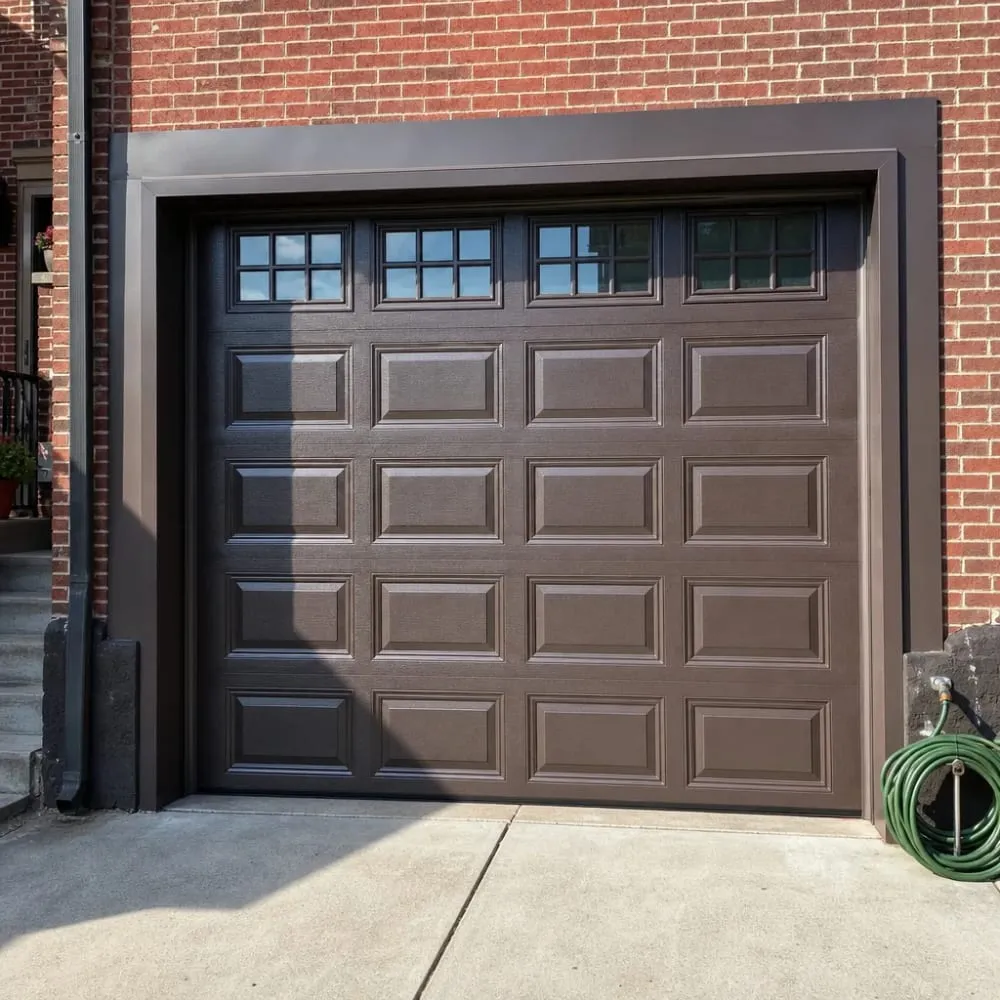
Once the door is chosen and the opening is measured, installation day is mostly about doing each step in the right order. A new door isn't just new panels. It's a full set of parts that have to work together: sections, hinges, rollers, tracks, springs, cables, the opener, the safety sensors, and the seals. If one of them is off, the whole door feels it.
A little prep on your end makes the day go smoother:
- Park your cars outside, on the street or in the driveway, so the garage floor is clear.
- Move bikes, bins, and shelves back from the door opening and away from the side walls where the tracks will mount.
- Clear the area under the ceiling where the opener and horizontal tracks hang.
- Make sure there's a working outlet near the opener spot.
- If you park on the street in a tight Philadelphia block, plan where the work vehicle and the new door sections can sit while the job is underway.
The old door comes out first. Its springs hold a lot of stored tension, so they're unwound before anything else is taken apart. Then the sections, tracks, and old hardware come down. With the opening bare, it's the last good chance to look at the jambs and header before the new door goes up. If the framing work was planned ahead, this is where it fits in.
The new door goes up one section at a time, starting at the bottom. The bottom section has to sit level, because every section above it stacks on it. Hinges and rollers go on as each piece is set. Next come the vertical and horizontal tracks, which need to be plumb, square, and spaced evenly so the rollers don't bind or rub. After that, the springs and cables are installed and set to the door's weight. This is the step that decides whether the door feels light or fights you.
Last comes the opener, either a new one or your current one reconnected. The safety sensors are mounted low on each side and lined up so they see each other. The weather seals go on along the bottom and around the frame.
Before the job's done, these are fair things to watch for or ask about:
- Lifted by hand halfway with the opener disconnected, the door should stay put, not slam down or drift up. That shows the springs are balanced.
- The door should open and close smoothly, without jerks, scraping, or loud grinding.
- When something breaks the sensor beam, the closing door should stop and go back up.
- The bottom seal should touch the floor evenly from one side to the other, with no daylight showing.
- Every remote and keypad you use should work before the crew leaves.
None of this should come as a surprise on the day. Since the system is checked first and written pricing is given before work begins, the door, the hardware, and any added work like framing or a new opener are already spelled out. Installation day is just about putting it together right and showing you it runs the way it should.
Choosing Door Material and Style
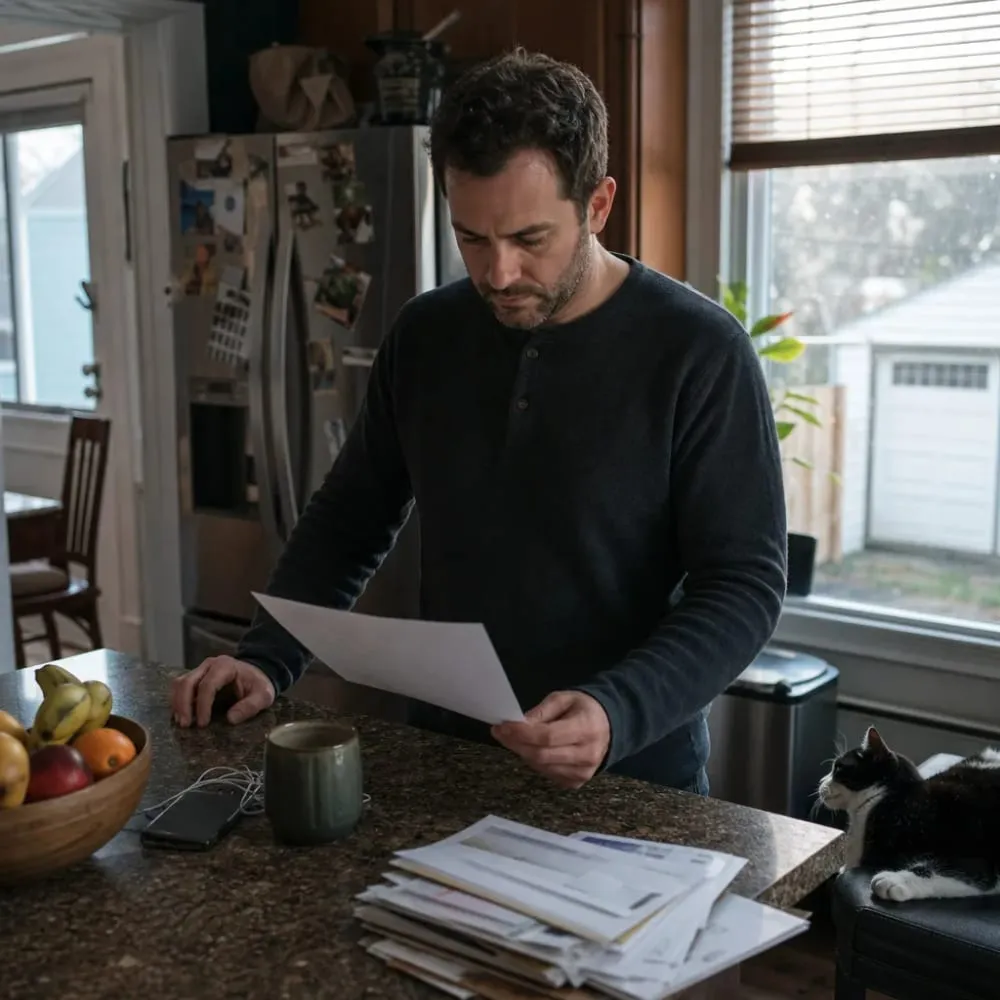
Most people start with looks. That's fair, since the garage door is a big part of the front of your house. But material decides how the door handles weather, how much care it needs, and how heavy it is. Weight matters more than most people think, because the springs, cables, and opener all have to be matched to it.
Here's how the common choices stack up:
- Steel. This is the most popular choice. It's strong, needs little upkeep, and comes in many styles. A single layer of steel is the lightest and simplest. Insulated steel adds a foam core and often a second steel skin, so it's stiffer, quieter, and better at holding heat.
- Wood. Wood has a warm, classic look that suits older homes. It's also the most work. It needs sealing or paint to keep moisture out, and it's heavy, so the springs must be sized for it.
- Wood-look composite or fiberglass. These give you the look of wood grain with far less upkeep. They're a good middle ground if you love wood but don't want to refinish it.
- Aluminum and glass. These make a clean, modern look and let in lots of light. They don't hold heat as well, and aluminum can dent more easily.
Insulation is the next big call. If your garage is attached, has a room above it, or is a space where you work or work out, an insulated door is worth a close look. It helps keep the cold out during Philadelphia winters and blocks some of the summer heat. It also tends to run quieter. For a detached garage that only holds a car or a lawn mower, a non-insulated door may be all you need.
Then pick a style that fits the house:
- Raised panel. This is the traditional look you see on many homes. It works with most styles.
- Carriage house. This one looks like old swing-out barn doors but still opens overhead. It's a good match for older brick and stone homes.
- Flush or contemporary. These have smooth, flat panels for a cleaner, modern look.
- Windows. A row of windows near the top lets in daylight without giving people a clear view inside.
A few questions help narrow things down fast. How do you use the garage day to day? Does it share a wall with your living space? How much upkeep are you willing to do? Is the door in full sun or right in the path of wind and rain? Your answers will usually point to one or two good choices.
Keep the measurements from earlier in mind too. A heavy wood or insulated door may need a different spring setup, a stronger opener, or solid framing to carry it. A tight headroom space can limit which tracks and openers fit. That's why the door isn't treated as a separate purchase. The door, springs, cables, tracks, opener, and seals are matched as one system. Then the written pricing you get before work begins shows exactly what goes into it.
We're an authorized dealer and installer for Clopay, Amarr, and General Doors Corporation, and for LiftMaster Professional openers. That gives you a wide range of materials and styles to choose from. If you want something that stands out, garage door design and custom door options are also on the table.
How Pricing and Quotes Work
A garage door quote should tell you exactly what you're paying for. If it's just one number with no breakdown, you can't compare it to another quote, and you can't tell what's missing. Most surprise costs come from items nobody put in writing up front.
A complete installation quote should spell out these items:
- The door itself, with its size, material, insulation, style, and any windows.
- New tracks, springs, cables, rollers, and hinges sized to the new door's weight.
- Taking down and hauling away the old door and its hardware.
- The opener, whether it's a new unit or your current one reconnected and adjusted.
- Safety sensors, the bottom seal, and the weather stripping around the frame.
- Any framing repair to the jambs or header, if the opening needs it.
- Extras you asked for, like a keypad, keyless entry, or a battery backup for the opener.
Some things push the price up, and it's better to know them early. A custom-sized door for an opening that isn't a stock size costs more than a standard one. A low ceiling may call for a special track setup. A heavy wood or insulated door needs stronger springs and may need a stronger opener. Rotted framing has to be fixed before the new door can hang right. A sloped floor may need a different bottom seal. These are the same conditions covered in the measuring step, and they're why a careful look at the garage comes before the final number.
That's also why a price given over the phone can change. Without seeing the opening, the headroom, the framing, and the floor, a quote is a guess. If two companies give you very different numbers, check whether one of them left out the haul-away, the new springs and tracks, or the framing work.
Before you hire anyone, these questions are worth asking:
- Will I get the full price in writing before any work starts?
- Are new springs, cables, and tracks included, or are you reusing the old ones?
- Is removing the old door part of the price?
- What happens if you find bad framing once the old door comes down?
- Are you licensed and insured?
- What coverage comes with the parts and labor, and where are the terms written down?
Here's how we answer those. We check the opening and the space around it first. Then you get written pricing before any work begins, so the door, the hardware, and any added work are spelled out before you agree to anything. We're licensed and insured. Our parts and labor coverage comes with its terms printed on your invoice, so you're not left guessing about what's covered.
If your old door is failing, or you're ready for a new one, the next step is a quote you can trust. We'll look at the opening, help you pick the right door, and put the full price in writing. You can call us now or request a callback through our website.
Call Rock Solid Garage Door Inc at (484) 995-2611 to set up your garage door installation quote, or request a callback through our website.
Garage door installation questions
- How long does a garage door installation take?
- A typical installation runs through several steps in one day: removing the old door, checking the framing, setting the new sections, mounting tracks and springs, then connecting the opener and sensors. Older Philadelphia garages with framing issues or tight headroom can add time, since jambs may need repair before the new door goes up. Getting an accurate measurement first helps avoid surprises on install day.
- Can I reuse my current garage door opener with a new door?
- Yes, in many cases your current opener can be reconnected and adjusted to work with the new door. The opener still needs to match the door's weight, so heavier wood or insulated doors may call for a stronger opener or new springs sized to that weight. This gets checked during the quote, so it's spelled out in writing before work starts.
- What should I clear out of the garage before installation day?
- Move your cars outside and clear bikes, bins, and shelving away from the door opening and side walls. The tracks mount along the side walls, and the opener hangs along the ceiling, so that space needs to be open. If you're on a tight Philadelphia block with street parking, it also helps to plan where the work vehicle and new door sections can sit during the job.
- Will a new garage door fix a gap or draft at the bottom?
- It depends on the cause, since a gap can come from a worn seal or from a floor that has settled on one side. A new door hung level will still show daylight on one side if the slope isn't measured and planned for ahead of time. That's why checking the floor level is part of looking at the opening before ordering a new door.